As a homeowner, you’re likely diligent about the basics—mowing the lawn, touching up paint, and cleaning regularly. But what about the critical home maintenance tasks you don’t see every day?
Research shows that home maintenance frequently takes a backseat, even with the best intentions. In fact, a recent survey found that 60% of homeowners have postponed necessary maintenance or repairs, while 40% admit to paying for a major home repair that could have been avoided with better upkeep.1
Still, it’s not just about avoiding costly emergencies—it’s also about maximizing the return on your biggest investment. According to research by Thumbtack, homeowners who do put in the extra care are rewarded: Well-maintained homes sell for an average of 10% more.2
Let’s explore 10 often overlooked home maintenance tasks and how they can save you thousands in long-term costs.
1. Gutter Cleaning: Your First Line of Protection
Clogged gutters can cause water to overflow and seep into your home’s foundation, attic, or siding. Left unchecked, this can lead to foundation damage, rot, and even flooding.
The real cost of neglect: While professional gutter cleaning averages $162 nationally (up to $390 for multi-story homes), water damage repair costs can add up—averaging $5,100 for foundation damage and $4,300 for a flooded basement.3,4,5
Your action plan:
- Clean gutters at least twice annually—in spring and fall.
- Use a gutter scoop or hose to remove debris.
- Consider investing in gutter guards to reduce future clogs.
This small task prevents major structural damage and prolongs the life of your home’s exterior.
2. HVAC Filter Replacement: Small Task, Major Impact
A dirty HVAC filter reduces airflow, causes your system to work harder, and increases energy use. It can also lead to health concerns from trapped contaminants circulating in your home’s air.6
The hidden costs: A neglected filter can lead to clamped-up coils, furnace failures, and sometimes a complete system replacement costing $4,000-$12,000.6
Your maintenance routine:
- Replace filters every 1–3 months, depending on filter type, usage, and the number of pets in your home.
- Opt for MERV 8–13 filters for efficiency and air quality balance.7
- Schedule full-system annual servicing ($175–$550) to catch hidden issues early.8
This simple task saves on energy bills (15-20% according to the Department of Energy) and extends your HVAC system’s lifespan.8
3. Water Heater Flushing: Preventing Sediment Buildup
Over time, sediment accumulates in your water heater tank, reducing efficiency and shortening the unit’s lifespan. Left unchecked, this buildup can cause leaks or complete tank failure.
The financial reality: Regular flushing prevents early replacement and may be required to maintain your water heater’s warranty.9 You can do it yourself or hire a professional for around $160.10
Your annual process:
- Turn off power and water supply to the unit
- Attach a hose to the drain valve and empty the tank completely
- Check your anode rod; it may need to be replaced every 3–5 years.
This simple routine extends your water heater’s life and preserves energy efficiency.
4. Dryer Vent Cleaning: A Critical Safety Task
Lint buildup in dryer vents doesn’t just reduce drying efficiency—it’s one of the leading causes of house fires in the U.S.11 They also force your dryer to work harder and longer for each load.
The cost factor: Professional dryer vent cleaning costs about $144 nationwide, while fire-related damage can run into the tens of thousands.12
Your safety protocol:
- Clean dryer vents every six months using a brush kit, or call in a professional.
- Replace plastic ducts with rigid metal ones, which resist lint clogs.
- Monitor drying times—longer than usual may signal a blockage.
This potentially life-saving task improves both safety and appliance efficiency.
5. Refrigerator Coil Cleaning: The 35% Energy Drain
Your refrigerator’s coils help expel heat. When coated in dust, they force the compressor to work harder, increasing energy bills and shortening appliance lifespan.
The efficiency impact: Dirty coils can increase energy use by up to 35% and, over time, can lead to costly repairs or replacement.13
Your simple solution:
- Check your manufacturer’s guidelines; many recommend cleaning every six months.
- Locate coils behind or at the bottom of the unit and use a vacuum or coil brush to remove dust and debris.
- Keep condenser fan areas unobstructed.
This $0 DIY task can trim your electricity bill—and prevent early breakdown.
6. Garage Door Lubrication: Prevents Costly Repairs
A squeaky garage door means friction—and friction leads to wear on moving parts, costly spring damage, and failed openers.
The mechanical reality: A new garage door opener can cost between $350-$1000 installed, but a can of lubricant only costs about $10.14
Your annual routine:
- Check the manufacturer’s guidelines to choose the right lubricant for your garage door.
- Prioritize safety: Ensure the door is fully closed and cut the electricity.
- Check for any signs of damage before proceeding, and call in a pro if needed.15
This simple task eliminates squeaks and avoids expensive mechanical repairs.
7. Sump Pump Testing: Your Basement’s Guardian
Your sump pump quietly protects your basement from water damage—but it needs testing to ensure it works when you need it most.
The flood prevention factor: Sump pump failure during a storm can result in thousands of dollars in cleanup costs.5
Your quarterly test:
- Pour water into the pit to ensure the float triggers the pump.
- Confirm pump and drainage are working correctly.
- Clean the inlet screen once per year to avoid clogs.
This 10-minute check gives peace of mind and avoids ajor flood damage.
8. Chimney Cleaning: Preventing House Fires
According to the National Fire Protection Association, the leading cause of home heating fires (30%) is a dirty chimney.16
The fire prevention imperative: Professional cleaning costs between $100-$350 and is crucial for anyone burning wood.17 The cost of ignoring this task includes chimney repairs and fire damage that can devastate homes.
Your annual safety check:
- Hire a certified chimney sweep for inspection and cleaning, if needed.
- Use only seasoned wood to reduce creosote buildup.
- Install a chimney cap to block debris and critters.
Professional chimney maintenance is a non-negotiable safety investment.
9. Roof Inspection: Protecting Your Shelter
Your roof endures a lot—storms, sun, pests—and while damage may start small, it can become unbelievably costly if ignored.
The structural stakes: A professional inspection averages $239, but some roofers will offer one for free.18 Roof repair costs have surged 28.47% year-over-year.19 A new roof now costs $9,500 on average.20
Your inspection process:
- Twice per year, perform a DIY inspection for missing shingles, cracked flashing, and sagging areas.
- Check your attic for stains or leaks after rainfall.
- Consider a professional inspection every 1-2 years, depending on your risk factors.18
Early intervention prevents thousands in repairs and helps retain resale value.
10. Water Pressure Monitoring: Protecting Your Plumbing
Many homeowners never check their home’s water pressure, but levels above 80 psi can damage pipes, appliances, and fixtures throughout your home, leading to premature failures and leaks.
The pressure problem: Water pressure that’s too high can damage your pipes and lead to expensive repairs or flooding. Pressure that’s too low can impact the performance of your faucets and appliances.21
Your annual check:
- Use a water pressure gauge connected to an outdoor faucet.
- Ideal pressure: 40-60 psi. Install a regulator if it runs high.
- Monitor for sudden changes that could signal a plumbing issue.21
This small check helps you avoid hidden damage to your entire plumbing system.
Creating Your Home Maintenance Schedule
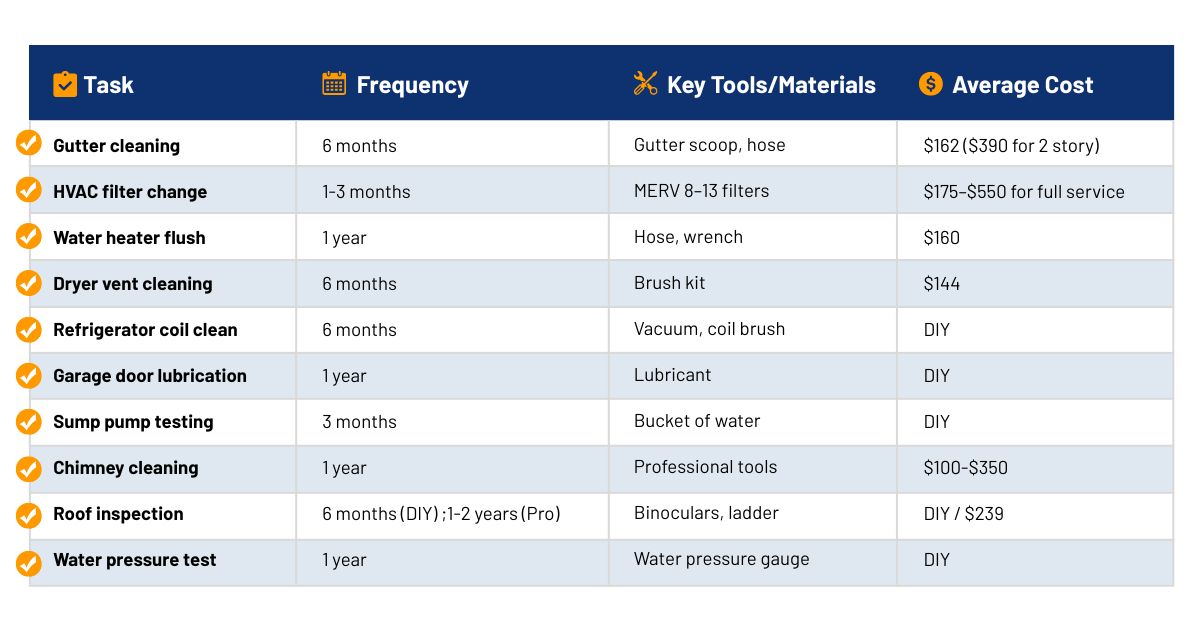
Rather than reacting to emergencies, create a proactive plan. Here’s a maintenance chart that puts it all in one place:
 The Maintenance Investment Reality
Homes with consistent maintenance routines sell for around 10% more than average.2 More importantly, budgeting 1–4% of your home’s purchase price annually helps prevent sudden, catastrophic expenses.22
As Lucas Puente, Economist at Thumbtack, notes: “Across the U.S., buyers should be prepared to spend at least a few thousand a year in home maintenance costs.”23
Bottom Line
Proactive home maintenance isn’t optional—it’s essential. The ten hidden tasks above are often overlooked, but they’re critical to preserving your home’s safety, energy efficiency, and resale value.
Ultimately, your home is an investment. Consistent upkeep helps you avoid emergencies, save on utilities, and protect your equity for the long term.
Ready to create a tailored maintenance plan for your home? I can connect you with trusted local service pros and show you how proactive upkeep contributes to your home’s market value. Let’s talk about keeping your home in peak condition—and protecting one of your most valuable investments.
Sources
- Finance Buzz –
https://financebuzz.com/homeowner-maintenance-repairs-survey
- Thumbtack –
https://blog.thumbtack.com/investing-in-home-maintenance-pays-off-yet-the-majority-of-homeowners-are-under-budgeting-84426995b6c5
- This Old House –
https://www.thisoldhouse.com/gutters/gutter-cleaning-cost
- This Old House –
https://www.thisoldhouse.com/foundations/foundation-repair-cost
- Forbes –
https://www.forbes.com/home-improvement/plumbing/basement-flooding-repair-cost/
- HVAC.com –
https://www.hvac.com/expert-advice/consequences-not-changing-your-air-filter/
- New York Times –
https://www.nytimes.com/wirecutter/reviews/furnace-and-air-conditioner-filters-we-would-buy/#how-to-choose-a-filter-by-its-merv-rating
- Today’s Homeowner –
https://todayshomeowner.com/hvac/cost/ac-tune-up-cost/
- Home Depot –
https://www.homedepot.com/c/ah/how-to-flush-a-water-heater/9ba683603be9fa5395fab901d7efffcd
- Angi –
https://www.angi.com/articles/water-heater-flush-cost.htm
- National Fire Protection Association –
https://www.nfpa.org/education-and-research/research/nfpa-research/fire-statistical-reports/home-fires-involving-clothes-dryers-and-washing-machines
- Home Advisor –
https://www.homeadvisor.com/cost/cleaning-services/clean-dryer-vents/
- U.S. Department of Energy –
https://www.energy.gov/energysaver/purchasing-and-maintaining-refrigerators-and-freezers
- Angi –
https://www.angi.com/articles/how-much-does-garage-door-opener-cost.htm
- Lowes –
https://www.lowes.com/n/how-to/how-to-lubricate-garage-door
- U.S. Environmental Protection Agency –
https://www.epa.gov/sites/default/files/2016-11/documents/kit_2_fast_facts.pdf
- Today –
https://www.today.com/series/how-often-should-you/chimney-cleaning-how-often-get-sweep-inspection-t104648
- Angi –
https://www.angi.com/articles/how-much-does-roof-inspection-cost.htm
- Bankrate –
https://www.bankrate.com/home-equity/most-expensive-home-maintenance-costs/#home-maintenance
- Nerdwallet –
https://www.nerdwallet.com/article/mortgages/roof-replacement-cost
- The Spruce –
https://www.thespruce.com/testing-water-pressure-in-your-home-2718692
- Home Guide –
https://homeguide.com/costs/average-home-maintenance-costs
- Zillow –
https://zillow.mediaroom.com/2017-07-31-Homeowners-Can-Spend-More-Than-9-000-a-Year-on-Hidden-Homeownership-and-Maintenance-Costs?mobile=No


 Facebook
 X
X
 Pinterest
 Copy Link


 So what is a flipped home? It’s a home that was purchased by an investor who remodels the home, updates it, and sells it for a profit. The turn-around between buying and reselling the home is quick. The goal is to maximize profit and every day a home is being updated adds costs.
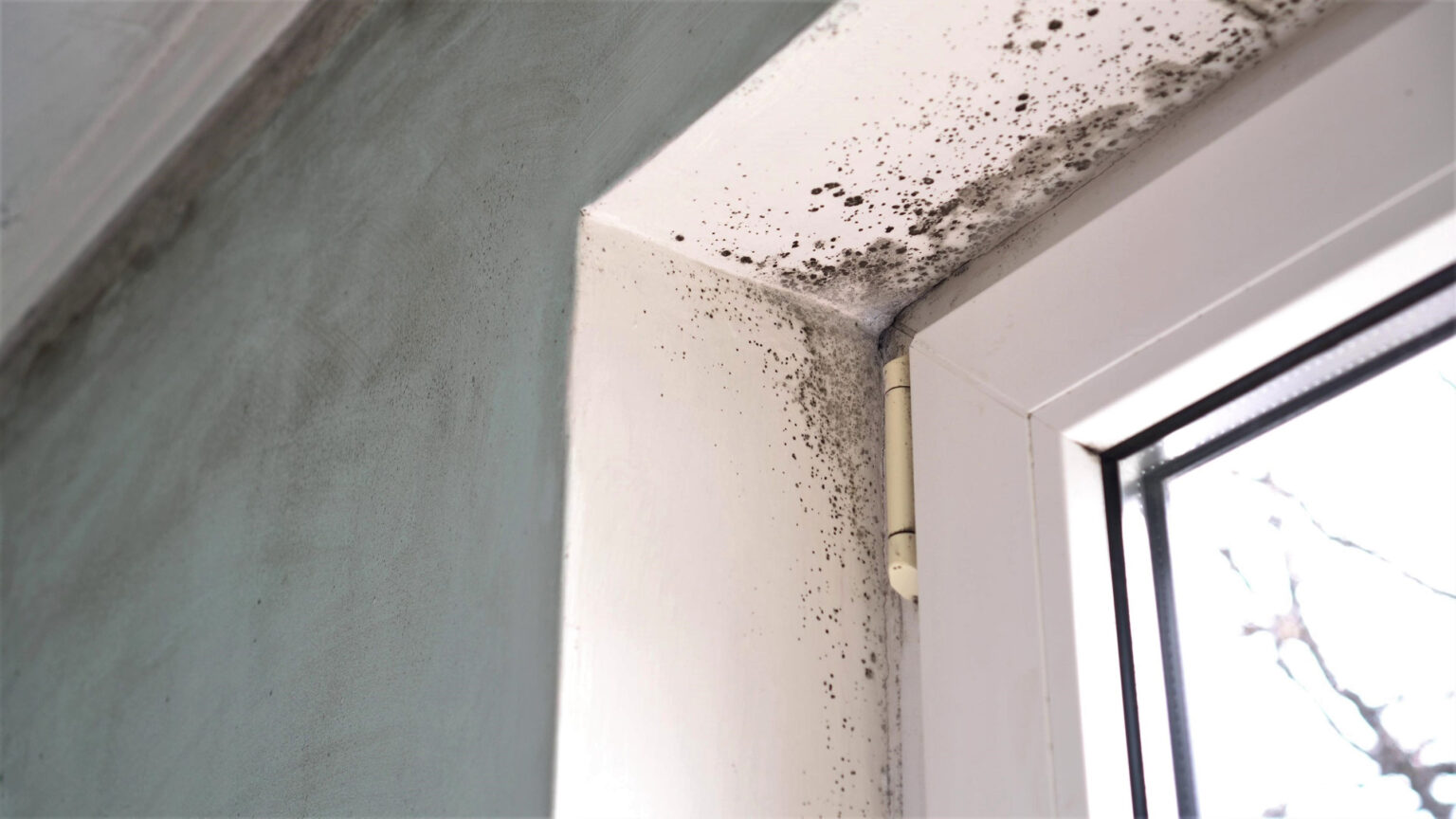 often prioritize visible, cosmetic improvements to attract buyers and maximize profit. The most essential, but less visible, repairs found after the flipped home purchase are electrical, plumbing, HVAC (heating/AC), roofing, structural, foundation, water damage, mold and pest infestations.
 Things First-Time Homebuyers Wish They’d Asked
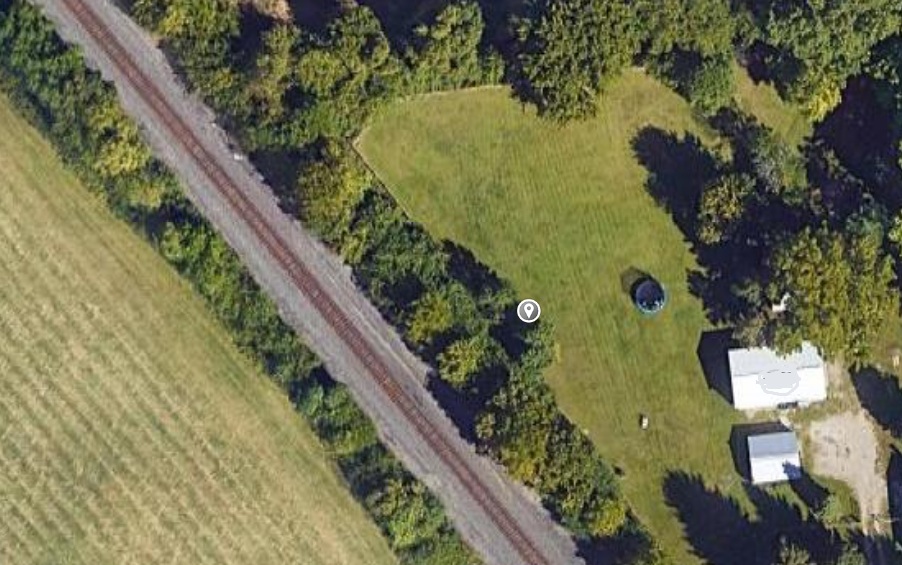 o drive by at different times of day to get a sense of the neighborhood.”
 owners. While this is not a guarantee that all those homes are rentals because some may split there time in different states, it is a good gauge of stability of your neighbors. A higher percentage of owner-occupied homes generally means observable pride of ownership which translates into stable and appreciating property values.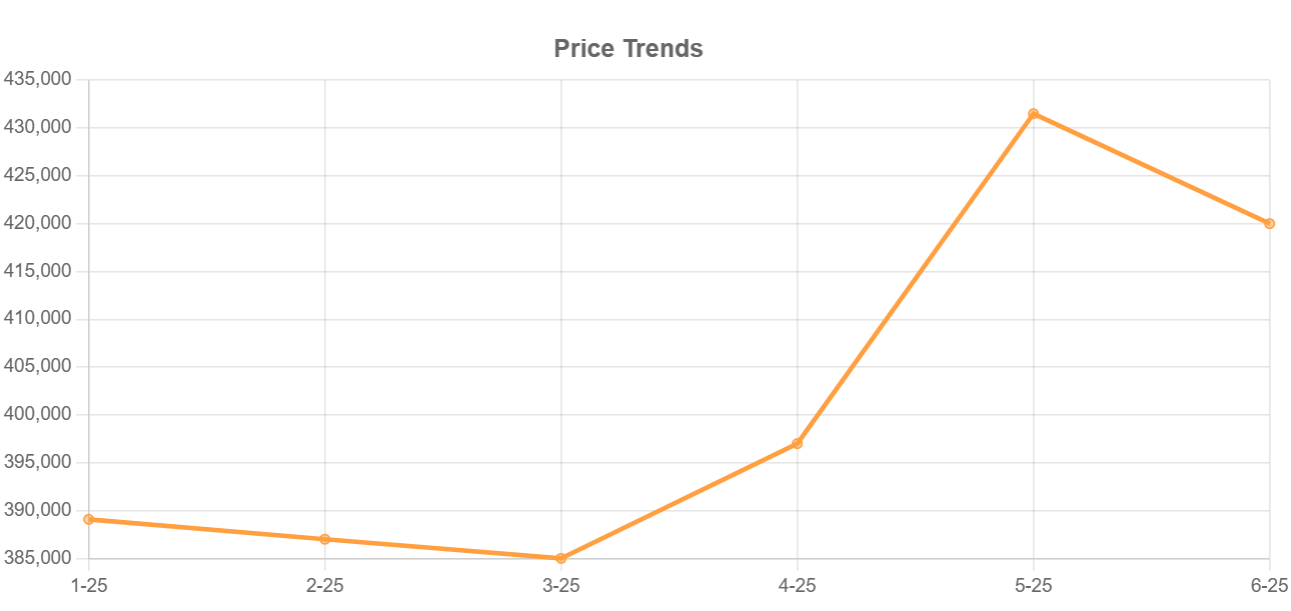
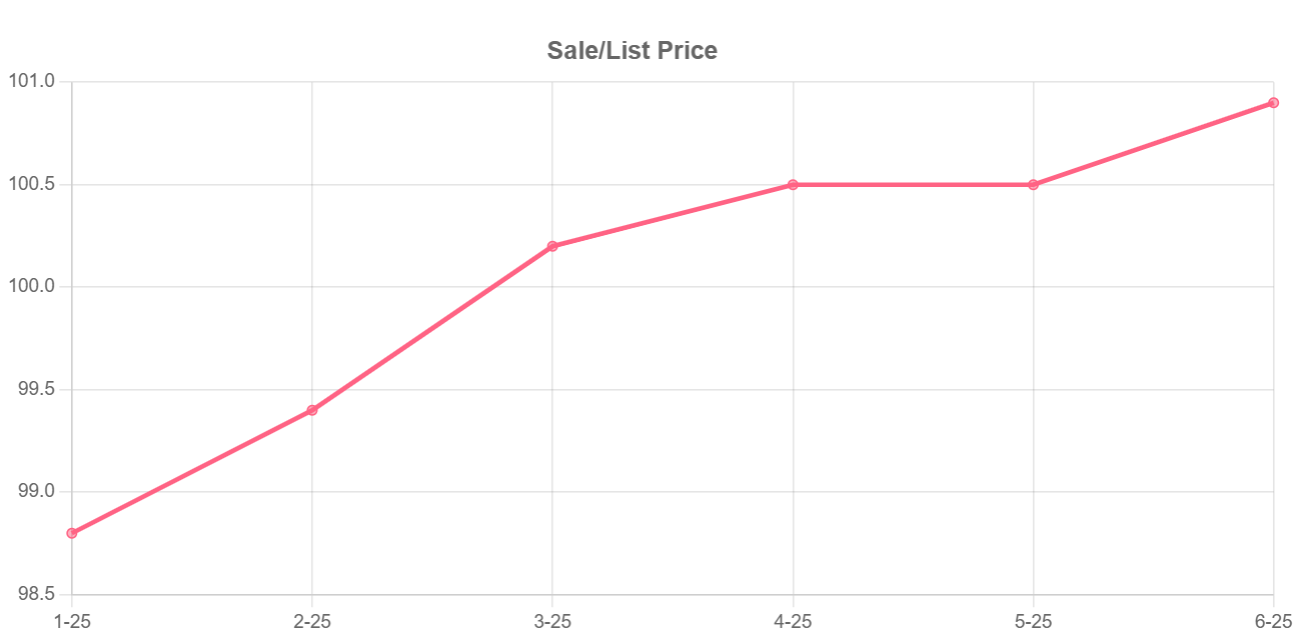 For those wondering why sellers are optimistic, one reason may be their location. Homeowners in northern states and popular areas, like Columbus, have a much higher chance of getting their original sticker price, or even above it.
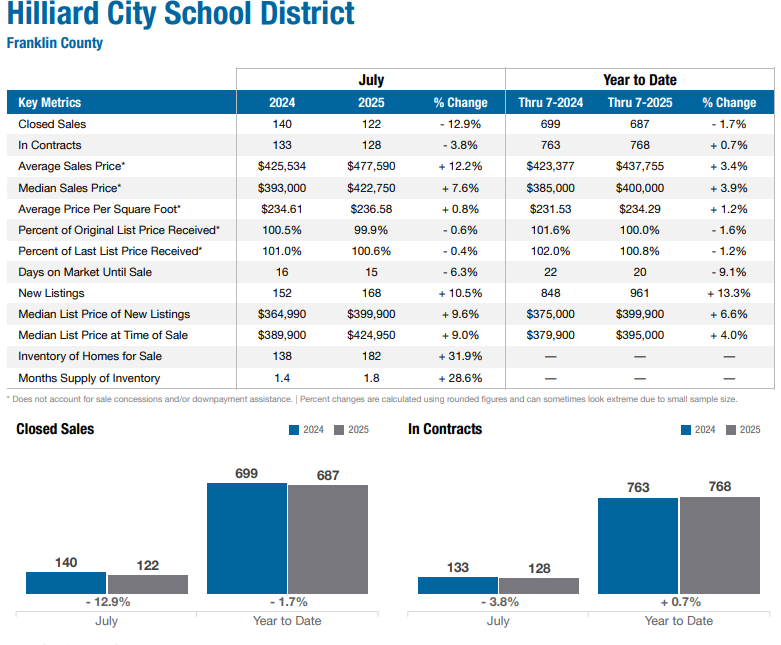
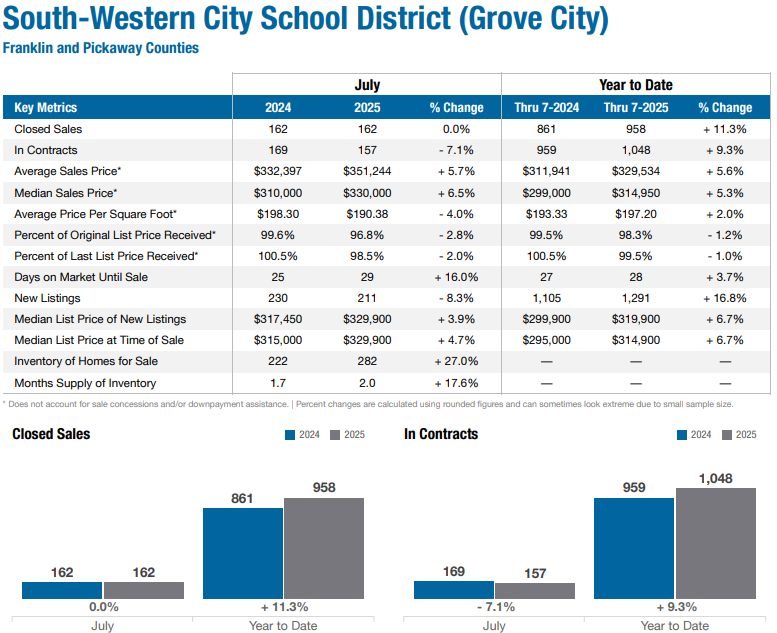
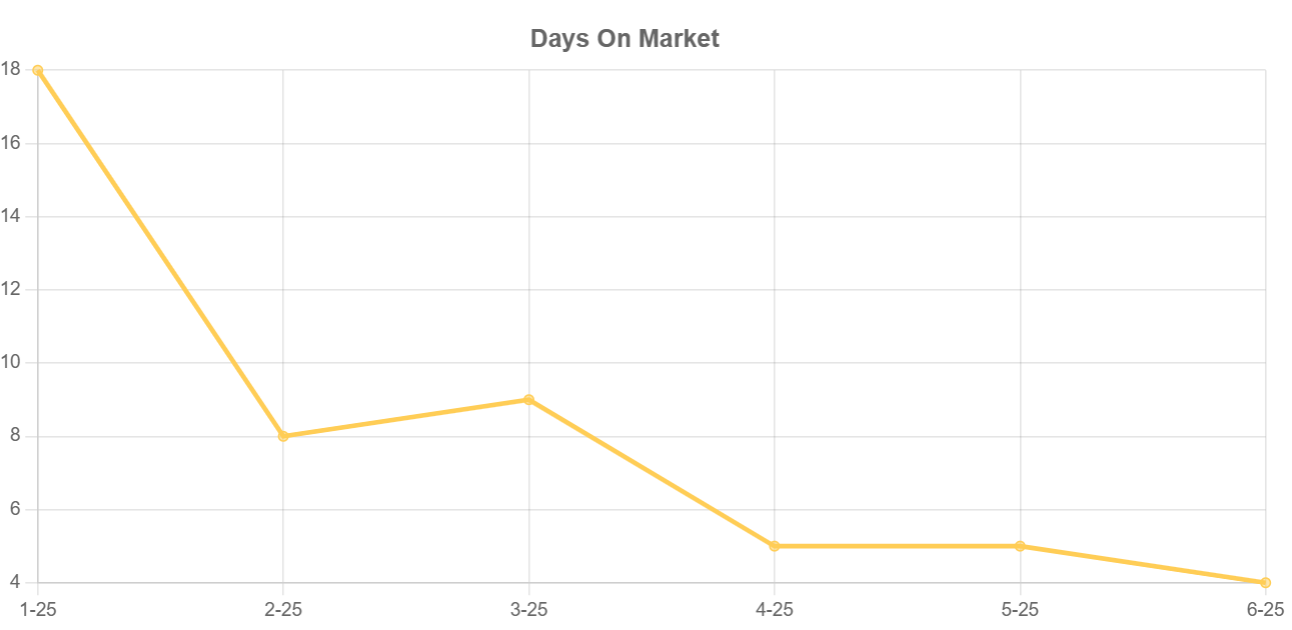 Of those who sold their homes on the west side in May (340) and June (332), they were on the market for 5 days and 4 days respectively at a median price of $425,750.
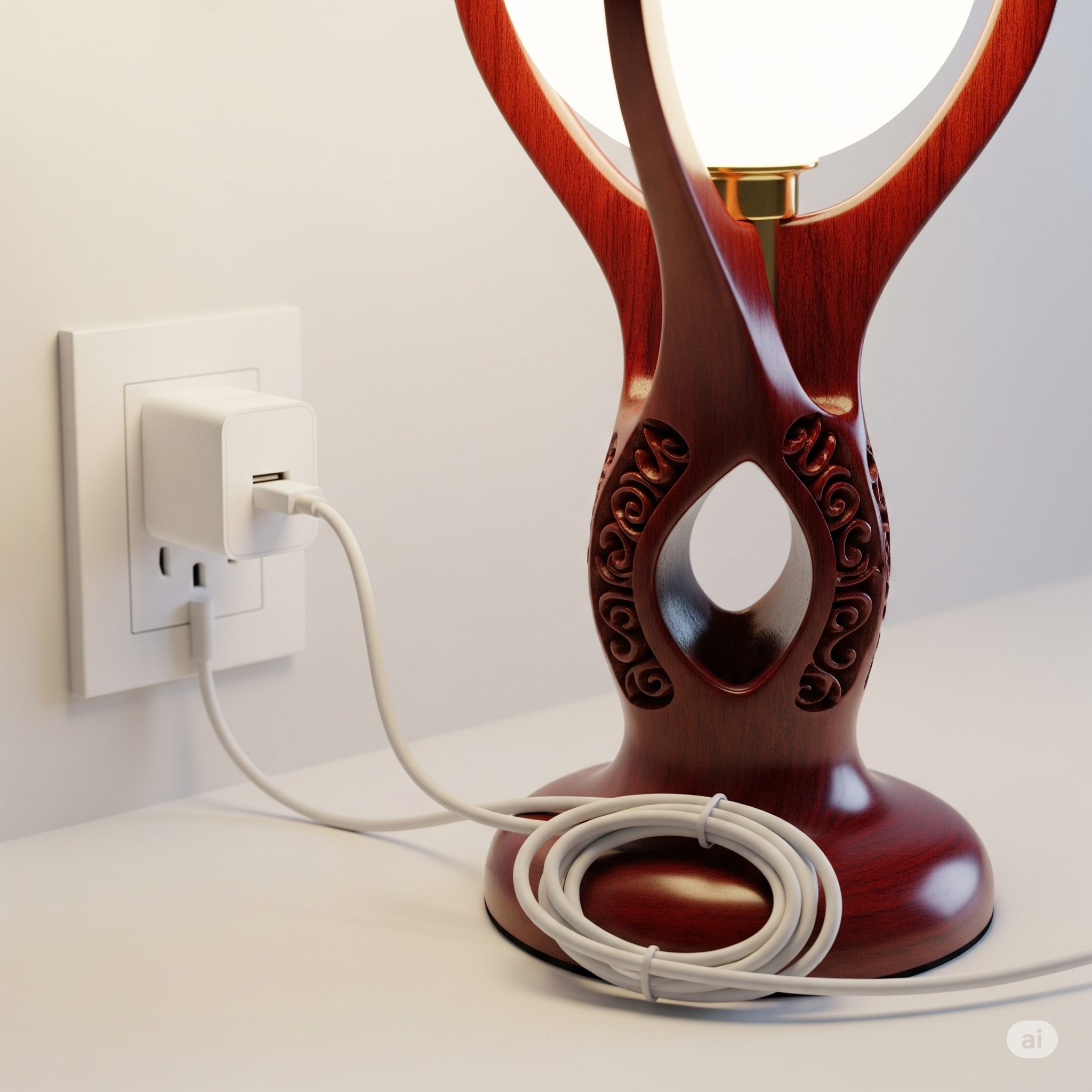 ming a game-changer when looking for an affordable home staging solution that can brighten up spaces.