

 Facebook
 X
X
 Pinterest
 Copy Link
In the second part of a multi-installment series on the home buying process and what first-time homebuyers, and homebuyers in general, wish they knew before they purchased a home, we will explore “Flipped” homes.
 So what is a flipped home? It’s a home that was purchased by an investor who remodels the home, updates it, and sells it for a profit. The turn-around between buying and reselling the home is quick. The goal is to maximize profit and every day a home is being updated adds costs.
A fresh coat of paint, new floors and updated bathrooms and kitchens are appealing. But what homebuyers who bought these homes wish they knew is the true cost of buying a flipped homes.
But first, how do you know if a home is potentially a flip? A home that was bought less than a year ago and is back on the market for much more than it was last purchased for, is most likely a flip.
If you go to an open house, one of the first signs is that everything is freshly updated. Your Realtor should check the sales history of the home. When was it last purchased? What did it sell for and what is the current selling price? Some flipped homes will be back on the market within 30 days, but 60 – 90 days is common. Mark-ups in the Columbus metro area typically start at a minimum of $100,000 over the previous purchase price.
While they often look appealing due to cosmetic upgrades, there are several common problems people encounter:
Hidden or Unaddressed Major Issues
This is perhaps the most significant concern. A Flipper may not have addressed a problem because it was not discovered in the remodel. If they are not experienced in home remodeling, they may not have known to look for it or it may have been obscured behind a wall. Flippers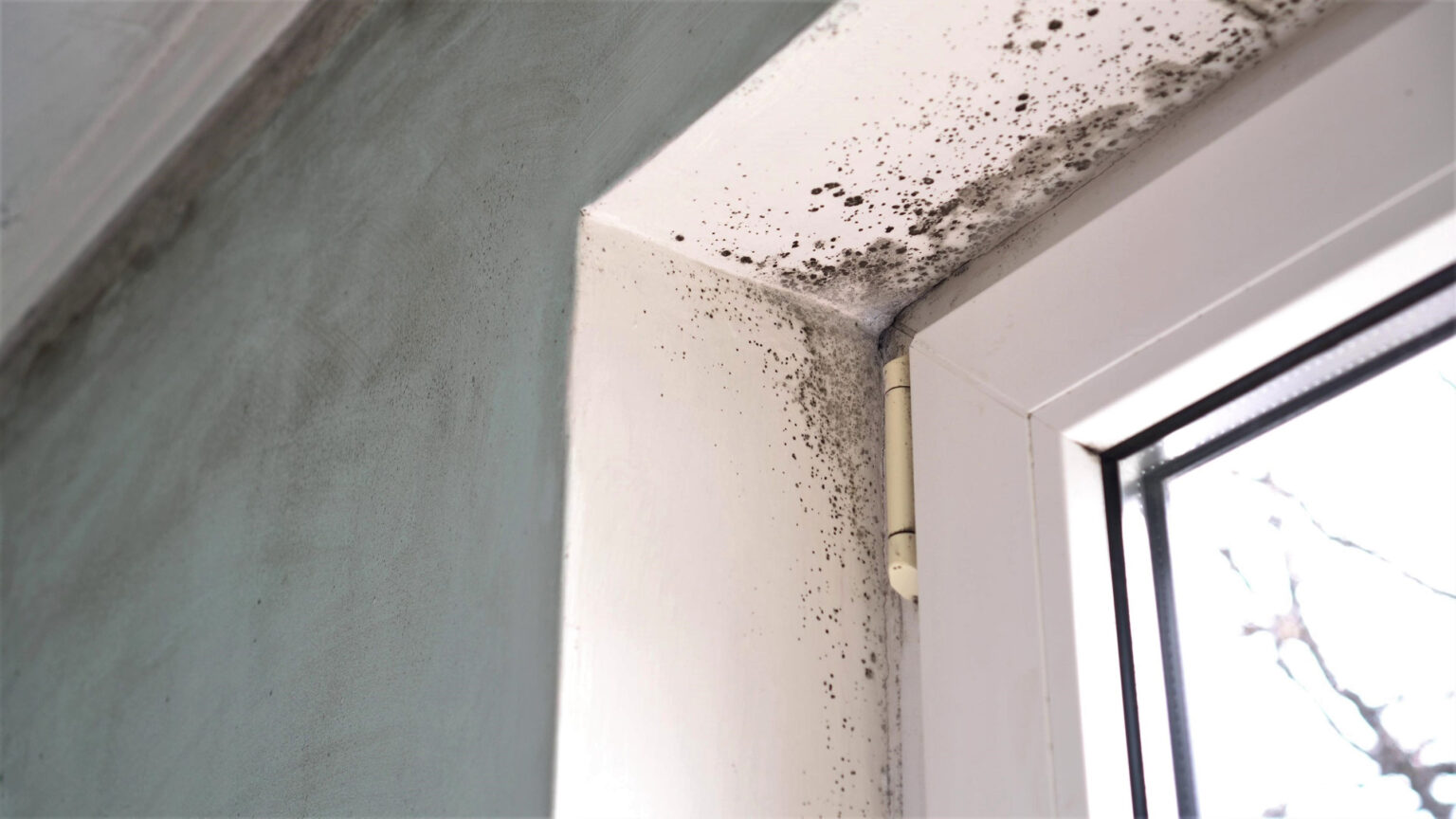 often prioritize visible, cosmetic improvements to attract buyers and maximize profit. The most essential, but less visible, repairs found after the flipped home purchase are electrical, plumbing, HVAC (heating/AC), roofing, structural, foundation, water damage, mold and pest infestations.
Poor Workmanship and Cheap Materials
To save money, flippers may hire inexpensive, unqualified contractors or attempt DIY repairs themselves, resulting in shoddy work. Some examples are:
-
- Poorly installed flooring (e.g. LVP on uneven subfloors).
- Subpar painting with messy edges or painted-over outlets/fixtures.
- Mismatched or cheap appliances, fixtures, and finishes (e.g., granite tiles instead of slabs, cheap toilets).
- Improperly hung doors or cabinets.
- A “polished turd” effect where the superficial looks good, but the underlying quality is lacking.
Lack of Permits and Documentation
Many renovations, especially structural or electrical work, require permits from local authorities to ensure they meet building codes. Flippers sometimes bypass this to save time and money.
-
- No permits: This is a major red flag. If work was done without permits, the buyer becomes responsible for bringing it up to code, which can be costly and lead to legal issues.
- Lack of paper trail: Reputable flippers should have receipts and invoices for all work done. A lack of such documentation can indicate unverified repairs or corner-cutting.
Sparse Property Disclosures
Since flippers typically haven’t lived in the home, their knowledge of its history and potential issues is limited. This can lead to less comprehensive disclosure statements compared to an individual homeowner who has lived in the house for years and knows its quirks.
Mitigating Concerns
How can you mitigate these concerns? A home inspection is a smart first step. However, even then there is no guarantee that the inspector will discover hidden flaws or poor workmanship. Many of these concerns are behind finished walls or otherwise inaccessible. For the same reason a flipper may not have seen or remedied something.
A home inspector will not be able to verify the condition of some of these concerns because they are concealed or because they do not have the necessary qualifications to evaluate the conditions. Some examples where specialized inspections may be necessary are structural integrity, plumbing and electrical services. If the home inspector sees an indicator of a specialized problem, they will recommend a qualified inspection (e.g., sewer scope, electrical, plumbing, foundation, mold and pest) beyond the general inspection. We will look at those matters in a future installment of this series.
Summary
While any home purchase comes with risks, flipped homes carry a higher likelihood of hidden defects and poor-quality workmanship due to the business model’s emphasis on quick, profitable, and often superficial renovations. It’s crucial for buyers of flipped homes to exercise extreme diligence, including thorough independent home inspections (and potentially specialized inspections) and scrutinizing all available documentation.


