

 Facebook
 X
X
 Pinterest
 Copy Link
Original article by Debi Murray
Your home is supposed to be an investment, a place that grows in value as time passes. Yet, here’s the uncomfortable truth: some of those features you once loved might become financial dead weight sooner than you expect.
Today’s homebuyers are sharper, more practical, and less impressed by the ostentatious features that defined the housing market of the early 2000s. Think about it.
Homes are shifting fast, and what worked in the past decade is starting to lose serious appeal. Let’s be real, certain design choices that were once considered luxurious or modern are now viewed as burdens.
Formal Dining Rooms With Built-Ins
Once the pride of traditional homes, formal dining rooms are quietly disappearing from buyer wish lists. 3 percent year-over-year decline, signaling a massive drop in buyer interest.
That’s a significant number, honestly.
Nearly 80% of designers working on new home communities report that dining rooms have become significantly less important over the past year, according to research by John Burns Research and Consulting and Pro Builder magazine.
Homeowners everywhere are saying goodbye to formal dining spaces in favor of larger, more multifunctional kitchens, with more than a third of homeowners increasing their kitchen size during renovations, often at the expense of dining rooms.
Other benefits of no formal dining room are room for a pantry and more space to gather with friends and family around a kitchen island that flows into a usable living space. Warm, open and inviting.
Wall-to-Wall Carpeting in Living Areas
Carpeting used to be a staple in home design but buyers in 2025 expect hard flooring in main living areas, with carpet seen as high-maintenance, prone to stains and less durable than modern flooring options. I get it.
Carpet feels great under your feet, especially on cold mornings. When you rip out the carpet, consider upgrading to radiant heating. Radiant floor heating typically saves 25-30% on energy bills compared to traditional forced-air systems. By heating objects directly from the floor up, rather than circulating hot air, it reduces heat loss, often saving homeowners $600–$1,200 annually. It is also generally 15-30% more efficient than conventional radiators.
A study of homebuyer preferences by USA Today found that 54% of home buyers were willing to pay more for a home with hardwood floors. By the time we hit 2031, homes with wall-to-wall carpeting in main areas might require replacement just to attract serious buyers.
Dated Granite Countertops
Granite was the undisputed king of kitchen renovations for decades. Now?
Not so much. Buyers are now rejecting the busy, speckled look of granite in favor of cleaner, lower-maintenance materials that fit modern aesthetics.
The National Kitchen and Bath Association’s 2026 forecast reported that 78 percent of professionals now favor quartz for its durability and consistency. The requirement to seal natural stone annually is a chore that today’s low-maintenance homeowner is happy to leave behind.
Buyers want surfaces that don’t demand constant upkeep, and granite increasingly fails that test.
Built-In Entertainment Centers
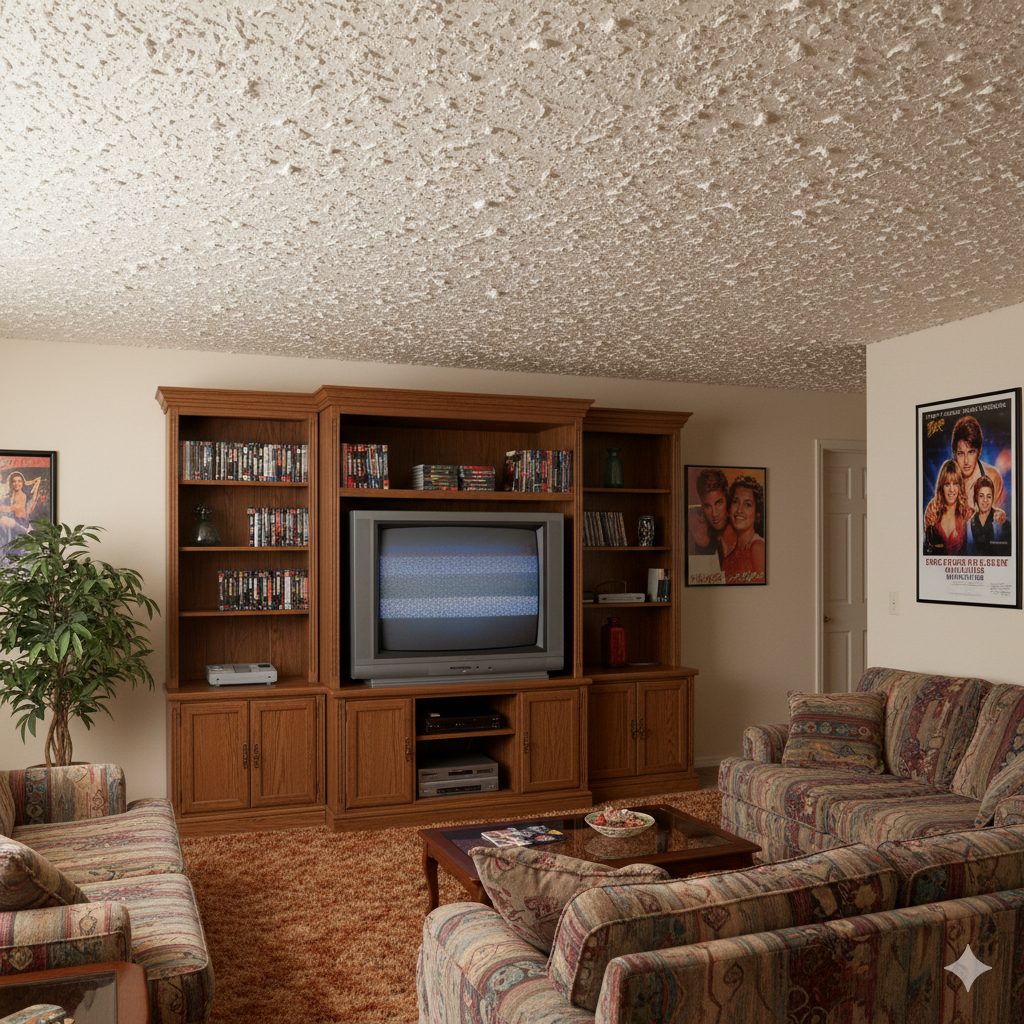
Remember those massive wall units designed to house tube TVs, DVD collections, and stereo systems? They’re not just outdated, they’re actively reducing your home’s appeal. Not only are they outdated, they’re a waste of valuable wall space. Buyers today want clean lines and flexible spaces where they can mount their own screens and choose their own furniture arrangements.
By 2031, these built-ins will likely be viewed as expensive remodeling projects waiting to happen, essentially subtracting value rather than adding it.
Oversized Jetted Tubs
Those giant soaking tubs with jets promised spa-like relaxation at home. Reality check: most people rarely use them.
Built-in tubs with large platforms and small grouted tiles are not only an eyesore, they take up valuable real estate that should be given to the shower. The practical needs of aging homeowners and the desire for streamlined cleaning are driving buyers toward efficient walk-in showers instead.
Jetted tubs also require more maintenance and cleaning than most homeowners want to deal with.
Homes Without Smart Technology Integration
Here’s the thing. Smart home technology isn’t a luxury anymore.
It’s rapidly becoming an expectation. 5 days faster on average than traditional homes, with 35% of real estate agents reporting that smart features increase a property’s value by $5,000 to $10,000.
Buyers under 35 are particularly influenced by this trend.
Popcorn Ceilings
If your home still has popcorn ceilings, you’re likely already aware they’re problematic. These textured ceilings were popular decades ago for hiding imperfections and providing acoustic benefits.
Features like popcorn ceilings, formal dining rooms, and jetted tubs no longer impress, in fact, they can turn buyers away. Popcorn ceilings collect dust, are nearly impossible to clean properly, and can be a nightmare to repair or paint. Here is a tutorial on how to DIY
Worse still, older versions may contain asbestos, adding health concerns and removal costs. If your home was built after 1989, this should not be a concern. By 2031, buyers will expect smooth, modern ceilings as standard.
The real estate market never stands still. What seemed valuable or stylish just a few years ago can quickly become a liability.
By 2031, these eight features are poised to drag down home values rather than boost them. Honestly, it’s worth evaluating your space now before these trends fully cement themselves. If you would like more information or a comprehensive review of your home’s features and marketability, message me on from my contact page, email, text or call.
What do you think about it? Tell me in the comments.
http://614-684-8186


